The moon landing nearly slipped away beneath a storm of computer alarms. While the world watched two astronauts approach history, a woman far from the spotlight had helped build the software that kept their mission alive. Now Margaret Hamilton’s remarkable story reveals why humanity’s giant leap depended on people whose names were rarely celebrated, and one extraordinary engineer’s cour… Continues…

Margaret Hamilton, the computing pioneer who led development of Apollo’s onboard flight software at MIT, died September 30 in Cambridge, Massachusetts, aged 90, according to MIT News. Her lasting contribution was an insistence that software must handle the unexpected. During Apollo 11’s descent in July 1969, computer overload alarms threatened to interrupt the landing. The team’s software preserved essential operations while setting less urgent tasks aside, allowing the astronauts to proceed with Mission Control’s approval.
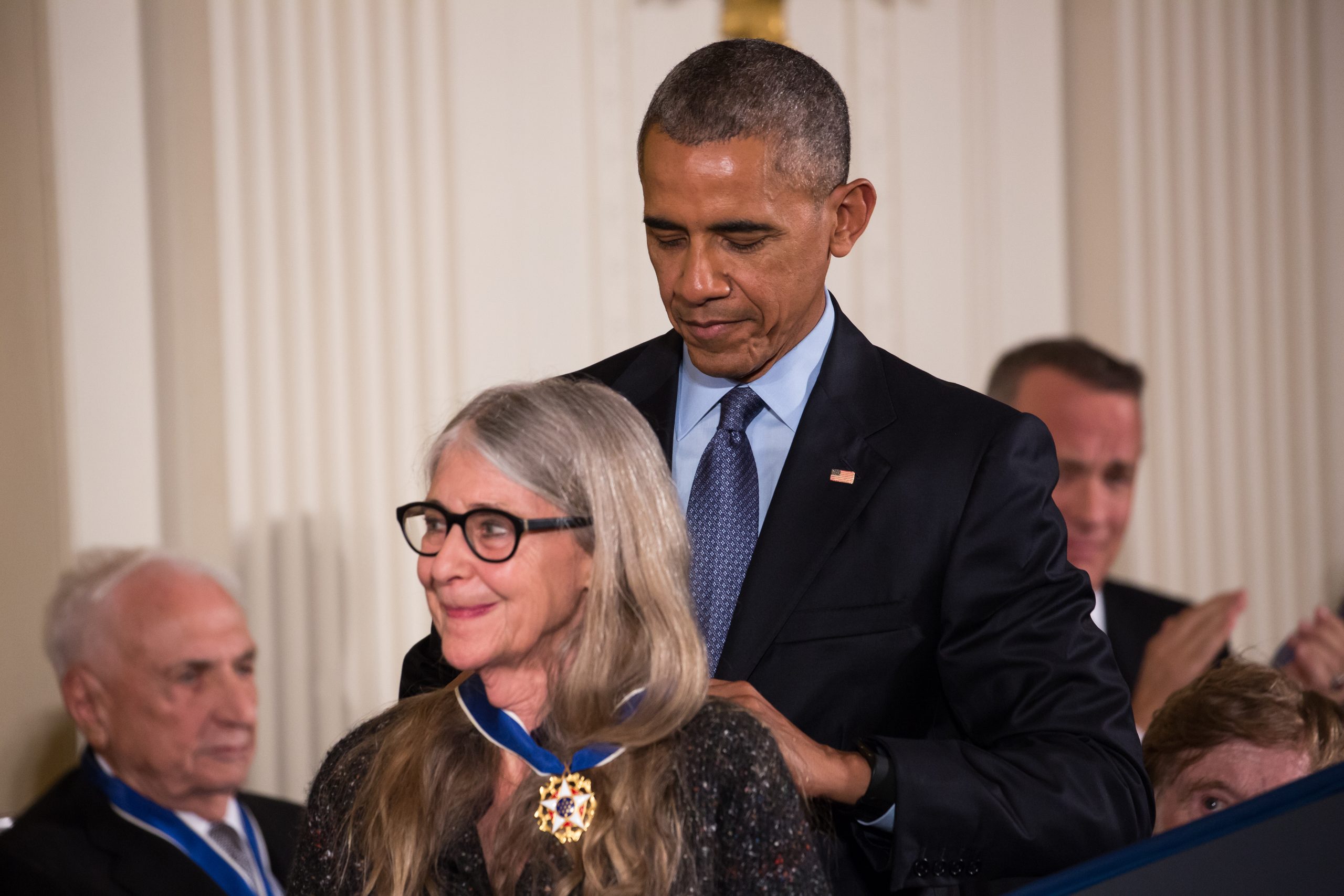
Beyond Apollo, Hamilton helped establish software engineering as a serious discipline. A photograph of her beside towering stacks of printed code later introduced her achievements to new generations, and President Barack Obama awarded her the Presidential Medal of Freedom in 2016. She also balanced demanding work with raising her daughter, Lauren. Her legacy belongs alongside the footprints on the moon: proof that extraordinary journeys depend on people who anticipate trouble long before the world sees it.